Single Fan Oven: 11 Thing You're Not Doing


The Ultimate Guide to Single Fan Ovens
Single fan ovens, also referred to as stove, have actually acquired popularity in modern kitchen areas due to their ability to supply constant cooking outcomes. Unlike standard ovens, single fan ovens circulate hot air around the food, permitting for even heat distribution. This short article takes an in-depth take a look at the features, benefits, and considerations associated with single fan ovens.
What is a Single Fan Oven?
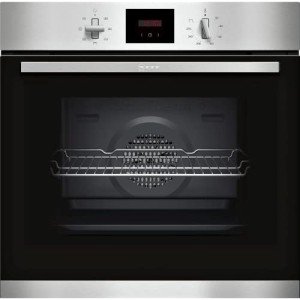
A single fan oven is designed with a fan and an exhaust system that distribute hot air evenly throughout the cooking cavity. This technology allows food to prepare more uniformly and frequently minimizes cooking times compared to traditional ovens. The fan can be found at the back of the oven and works in combination with the heating aspects, facilitating effective heat transfer.
Secret Features
| Feature | Description |
|---|---|
| Even Cooking | Ensures that food cooks uniformly and decreases the threat of hot or cold areas. |
| Time Efficiency | Minimizes cooking time by as much as 20-25% compared to traditional ovens. |
| Temperature Consistency | Maintains steady temperature, leading to dependable cooking outcomes. |
| Flexibility | Suitable for baking, roasting, and broiling throughout a range of dishes. |
| Energy Efficiency | Normally takes in less energy due to much shorter cooking times. |
Benefits of Single Fan Ovens
- Uniform Cooking: The even circulation of heat makes sure that all sides of the food are prepared concurrently. This helps in accomplishing aspects like browned surface areas and moist centers, especially in baked items.
- Faster Cooking Times: The hot air blood circulation enables food to prepare quicker compared to traditional ovens. This efficiency is especially helpful for busy individuals or families with tight schedules.
- Energy Savings: Thanks to their much faster cooking times, single fan ovens can typically take in less energy, making them a more sustainable option for environmentally mindful customers.
- Multi-Shelf Cooking: Due to the even heat distribution, multiple dishes can be prepared simultaneously on different shelves without flavor transfer.
- Lowered Need for Preheating: Many dishes can be performed without preheating, thus saving extra energy and time.
Considerations When Choosing a Single Fan Oven
When choosing a single fan oven, numerous elements should be considered to guarantee it meets your cooking requires:
- Size: Choose an oven that fits conveniently in your kitchen area while providing enough capacity for cooking or baking.
- Features: Many single fan ovens feature additional functions such as self-cleaning choices, programmable settings, and numerous cooking modes (e.g., bake, roast, grill). Assess which features are very important for your cooking style.
- Energy Rating: Look for energy-efficient models that can help lower energy costs while likewise benefiting the environment.
- Brand name Reputation: Research various brand names and their evaluations to ensure reliability and after-sales service.
- Budget plan: Establish a spending plan that considers both the initial investment and long-term operating expenses.
How to Use a Single Fan Oven Effectively
Using a single fan oven is fairly simple. However, to maximize its advantages, some ideas are important:
- Adjust Temperatures: It is frequently recommended to minimize the recipe temperature by approximately 20 degrees Celsius (or 25 degrees Fahrenheit) compared to standard ovens.
- Use Shallow Baking Trays: Shallow trays allow much better air flow around the food, promoting even cooking.
- Avoid Overcrowding: Leave space between meals to make sure the hot air streams freely and cooks everything equally.
- Rotate Dishes: For even much better outcomes, think about rotating baking trays halfway through the cooking process, particularly with larger or dense items.
Frequently Asked Questions About Single Fan Ovens
1. What kinds of foods can I cook in a single fan oven?
Single fan ovens are flexible and suitable for baking, roasting meats, cooking casseroles, and even dehydrating fruits. They can deal with a wide variety of dishes across various foods.
2. Do I still need to preheat a single fan oven?
While many dishes can be prepared without pre-heating, some baked products, like soufflés or specific bread dishes, might perform best when the oven is preheated.
3. Can I bake multiple trays of cookies at the same time in a single fan oven?
Yes, one of the benefits of a single fan oven is that you can bake multiple trays simultaneously without compromising results. Simply ensure adequate space for air circulation around each tray.
4. Is a single fan oven more energy-efficient than a standard oven?
Yes, single fan ovens can be more energy-efficient due to much faster cooking times, which minimizes total energy intake.
5. Are single fan ovens great for baking bread?
Single fan ovens are exceptional for baking bread as they supply even heat, which is essential for achieving an excellent increase and crust.
In conclusion, single fan ovens offer many advantages in adaptability, efficiency, and cooking quality. relevant resource site to prepare equally and save time makes them an appealing option for home chefs. When picking a single fan oven, think about factors such as size, functions, and energy usage to find the right suitable for your culinary requirements. With appropriate use and care, a single fan oven can end up being an important appliance in any kitchen, enhancing both preparing experiences and outcomes.